
Schoolwork
Support with homework can help students feel more confident about what they are learning in school.
A local Mathnasium resource
We meet kids where they are. By identifying the skills your child is missing, we can build a learning plan around what they need—not just their grade level.
Find your child's starting point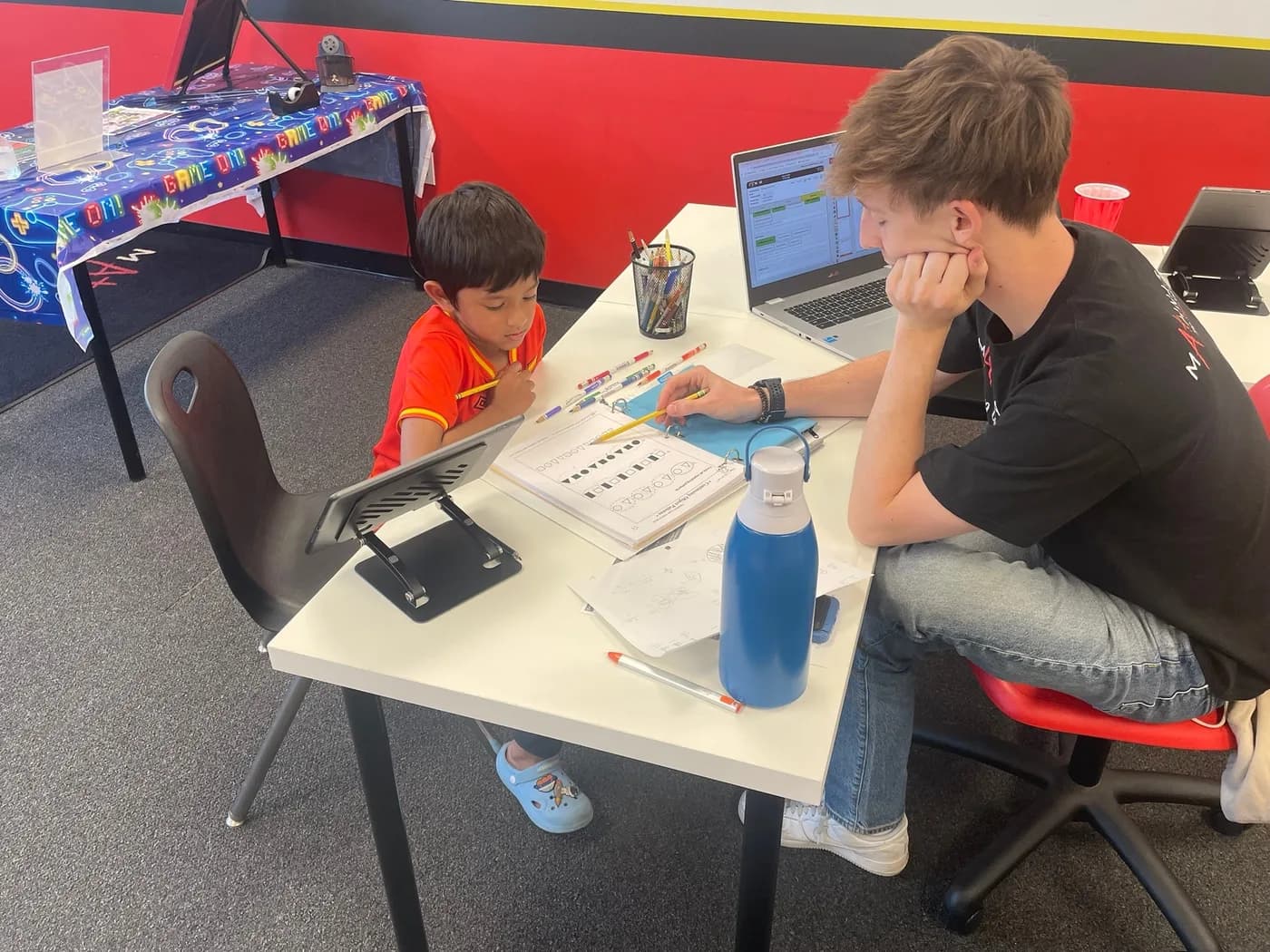
What the assessment tells us
A Mathnasium assessment identifies gaps in earlier math skills so we can create a personalized learning plan for your child. It is not a graded school test.
Start with understanding
Generally, we assess material your student should have mastered by the end of the previous school year. We are looking for knowledge gaps: the skills they may be missing that can make this year's math harder to understand.
Students answer when they know how and skip ahead when a question is challenging or unfamiliar. The goal is not a grade. It is a clearer picture of what your child understands and where support can begin.
An individual plan
The next step is a plan for your child, built from what the assessment reveals.
We do not put students into a grade-level bucket and teach material they already know. The plan starts with the student's own strengths and gaps, so instruction can meet them where they are.
What each visit can include
Support with homework can help students feel more confident about what they are learning in school.
Time on the individual plan helps students work on the gaps identified through their assessment.
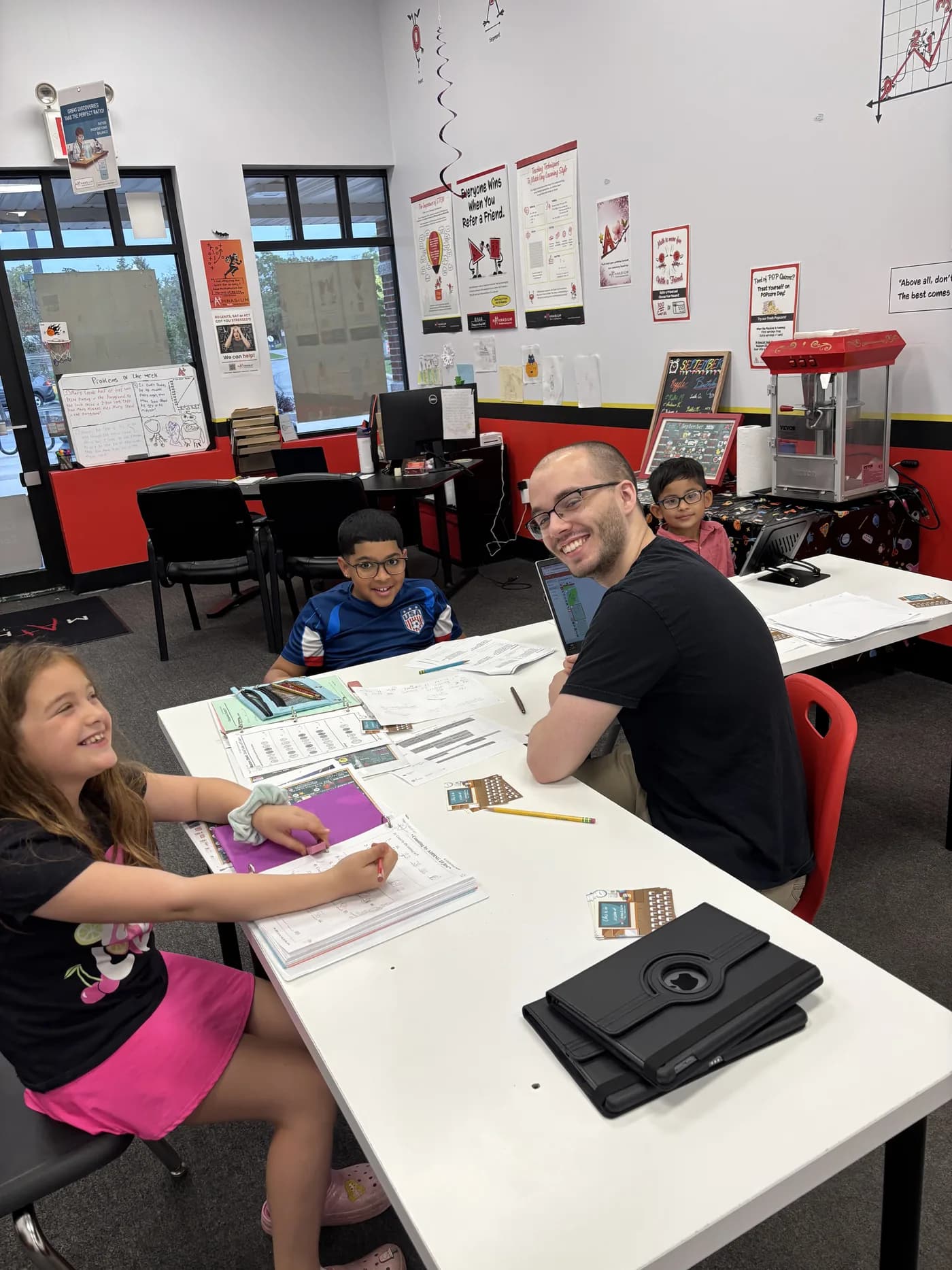
Encouragement and enjoyable learning help students build confidence and want to come back.
Common questions
Generally, the assessment looks at material your child should have mastered by the end of the previous school year. It helps us see the skills that may be making this year’s math harder to understand.
We ask students to answer when they know how and to skip ahead when a question is challenging or unfamiliar. That helps us understand what they know without relying on a lucky guess.
No. The purpose is to identify your child’s unique knowledge gaps, not to give them a grade. The assessment helps us decide where instruction should start.
No. Students in the same grade may have different strengths and different gaps. Each plan is built around the individual student.
Yes. Each visit balances homework support with work on the personalized learning plan, plus fun and encouragement that can help students build confidence.
Our four locally owned centers are in Clifton Park, Loudonville, Niskayuna, and Westmere. Choose a center below to book an assessment or schedule a conversation with its Center Director.
Your next step
Choose a local center to schedule an assessment or a conversation with its Center Director.
Select a center to see your booking choices.